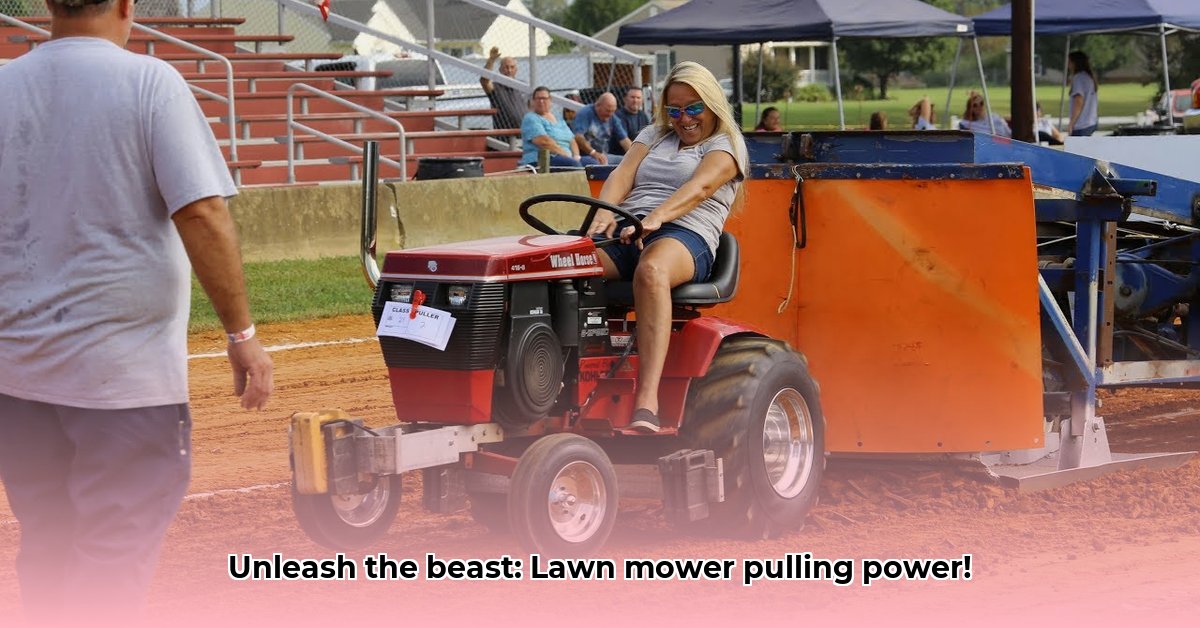
This guide provides a comprehensive, step-by-step approach to building a competitive lawn mower pulling tractor, adhering strictly to National Grass Tractor Pulling Society (NGTPS) rules. Whether you're a seasoned mechanic or a newcomer to the sport, this guide will equip you with the knowledge and techniques to construct a winning machine. Remember that safety is paramount throughout the entire process. For additional resources, check out these pulling tractors for sale.
Choosing Your Base Tractor: The Foundation of Success
Selecting the right base tractor is the cornerstone of a successful build. Older models, often possessing more robust frames, can be advantageous starting points, although newer machines may offer other benefits depending on their design and powertrain. The ideal tractor must meet specific criteria:
- Engine Type: Air-cooled V-twin engines are generally preferred for their durability under high stress. (Many older models offer these.) Check NGTPS specifications for legal engine types.
- Weight Capacity: A higher weight capacity provides more leeway for adding ballast for improved traction. However, remember NGTPS weight limits for your class.
- Parts Availability: Ensure readily available replacement parts for critical components to minimize downtime during modifications or repairs. Older models might have parts that are harder to source.
Consider factors such as engine type, weight, available aftermarket parts, and the ease of modification. (Research common issues with prospective models online.) The cost of repairs and maintenance is another important consideration. Do you have the skills and resources to find and repair parts? You will need to research specific models and their availability.
Engine Modifications: Optimizing Performance Within NGTPS Rules
While modifications are permitted, they must adhere strictly to NGTPS regulations. Improper modifications risk disqualification and potentially catastrophic engine damage.
- Carburetion Adjustments: Fine-tuning the carburetor to optimize fuel delivery can significantly increase power and torque. (This requires precise adjustment and understanding of engine operation). Consult a professional or experienced mechanic if unsure.
- Exhaust System Modifications: Depending on the specific NGTPS rules for your class, exhaust system modifications might be allowed. Always verify that any changes comply with regulations. (Modifying the exhaust system incorrectly can reduce engine efficiency and be dangerous).
Safety Warning: Engine work is best left to experienced mechanics. Incorrect adjustments can lead to engine damage or fire.
Chassis Reinforcement: Building a Durable Frame
A strong chassis is crucial for withstanding the immense stresses of pulling. A weak chassis is the most common cause of tractor failure.
- Identify Weak Points: Carefully inspect the tractor's frame for areas prone to stress, such as the hitch, engine mounts, and axles. (Check existing threads and forums for common failure points in your chosen model.)
- Material Selection: High-strength steel is usually the preferred material for reinforcement. The quality of the steel is crucial as it will withstand the major forces during the pull. This is often structural steel or possibly even specialized high tensile steel, but this requires very specific manufacturing equipment and expertise.
- Reinforcement Techniques: Use welding to strategically add supports to strengthen vulnerable areas. (This requires proper welding techniques and equipment.) Ensure all welds are strong and properly executed.
Tire Selection: Maximizing Traction
Tire selection significantly impacts performance. The right tires are critical for optimal traction.
- Tread Pattern: Deep, aggressive treads are essential for optimal grip on various surfaces. (Consider the specific pulling surface conditions as your tire selection will change based on these conditions.)
- Tire Size: Strictly adhere to NGTPS-approved tire sizes for your class. Using incorrect sizes leads to disqualification. (Check the official NGTPS rulebook for details.)
Weight Management: Strategic Ballast Placement
Adding weight is crucial for traction, but it must remain within NGTPS weight limits.
- Weight Distribution: Strategically place weight low on the tractor for maximum stability and traction. (Poor weight distribution can actually reduce performance).
- Weight Limits: Always verify and adhere strictly to weight limits specified in the NGTPS rulebook. Exceeding limits results in immediate disqualification.
NGTPS Rules Compliance: Avoid Disqualification
Thorough understanding and strict adherence to NGTPS rules are paramount. Reviewing the official rulebook beforehand is crucial.
- Engine Specifications: Ensure your engine and modifications comply with all regulations.
- Safety Regulations: Prioritize safety throughout the build and competition. Failure to comply with safety rules can lead to accidents and disqualification.
- Weight Limits: Never exceed weight limits!
Assembly and Testing: A Methodical Approach
A systematic approach to assembly and testing is vital to ensure a successful competition.
- Assembly Checklist: Use a comprehensive checklist to ensure all components are correctly installed and secured.
- Torque Specifications: Use a torque wrench to tighten all bolts to the manufacturer's specifications.
- Rigorous Testing: Conduct thorough testing under simulated pulling conditions before the competition. Identify and rectify any issues before the competition.
Troubleshooting: Addressing Common Problems
This section addresses common issues that might arise, including engine problems, chassis failures, and tire issues. (Consult repair manuals and experienced mechanics for specific solutions).
Conclusion: Building a Winning Tractor
Building a successful lawn mower pulling tractor requires careful planning, meticulous execution, and strict adherence to NGTPS regulations. This guide provides a framework for building a competitive machine, but remember that experience and continuous refinement are crucial for success. Always prioritize safety. Good luck, and may your pull be strong!